



Custom computer vision & machine learning solutions
CVisionLab provides outsourcing service for development custom computer vision solutions powered by ML and AI
Multifunctional solution for human face detection, analysis and recognition
Multifunctional high-accuracy solution for recognition of personal protective equipment, clothing and accessories

Cloud Solutions
As an official Google Cloud and Yandex Cloud Partner, CVisionLab can offer the creation of a complete end-to-end AI/ML solution in the cloud.
No matter how big your company is, what objectives you have or which industry you are from. Combining cutting edge AI/ML and secure, reliable and scalable cloud technologies together, we can help you to build the right solution that fits your scale and needs.
We are customer-centric. We apply a full set of world-class technologies, unique tools, and professional skills in computer vision. We specialize in computer vision and deliver it.

A transparency in the process of development of the project is the keystone of building a productive communication with the client.

We follow the industrial standards requirements creating a set of instruments and industry-leading technologies to apply them in computer image processing.

It’s not that easy to become a part of our team. One has to study mathematics and programming in the best universities in the world for number of years for that.

Utilising more than 10 years of experience we successfully implement computer vision, machine learning, and image processing to find the best solution for the customer and create a technically advanced product.

We have an expertise in working on individual projects as well as on projects which were components of a large software complex development for more than 50 customers in various fields starting from healthcare to agriculture.

We provide a computing resources at the prices much lower than popular data centers. This results in a significant reduction of the cost of the projects.

13 REVIEWS
SERVICES
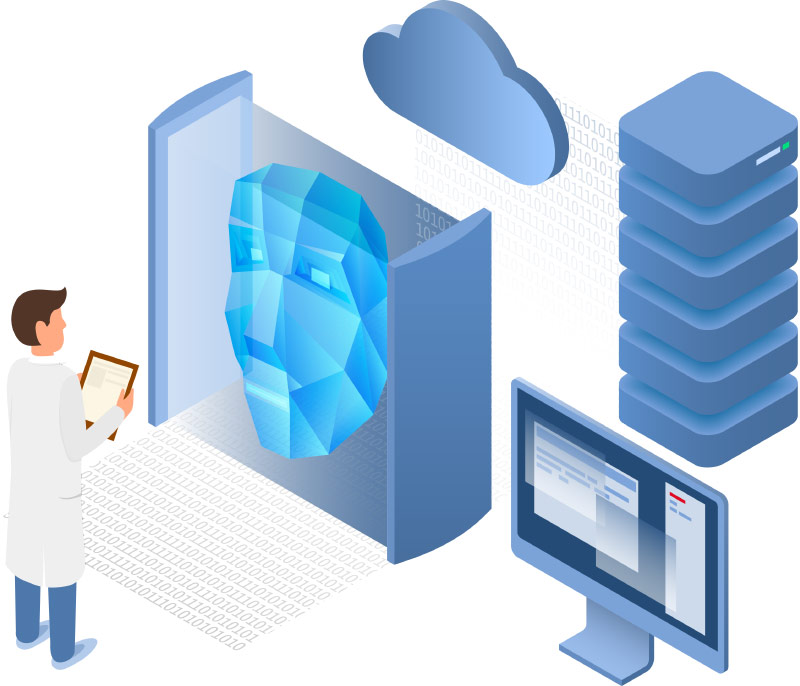
AI development
We develop products based on the Artificial Intelligence concepts.
We utilize Computer Vision and Deep Learning processes to create a well functioning product to support our clients’ advanced needs.
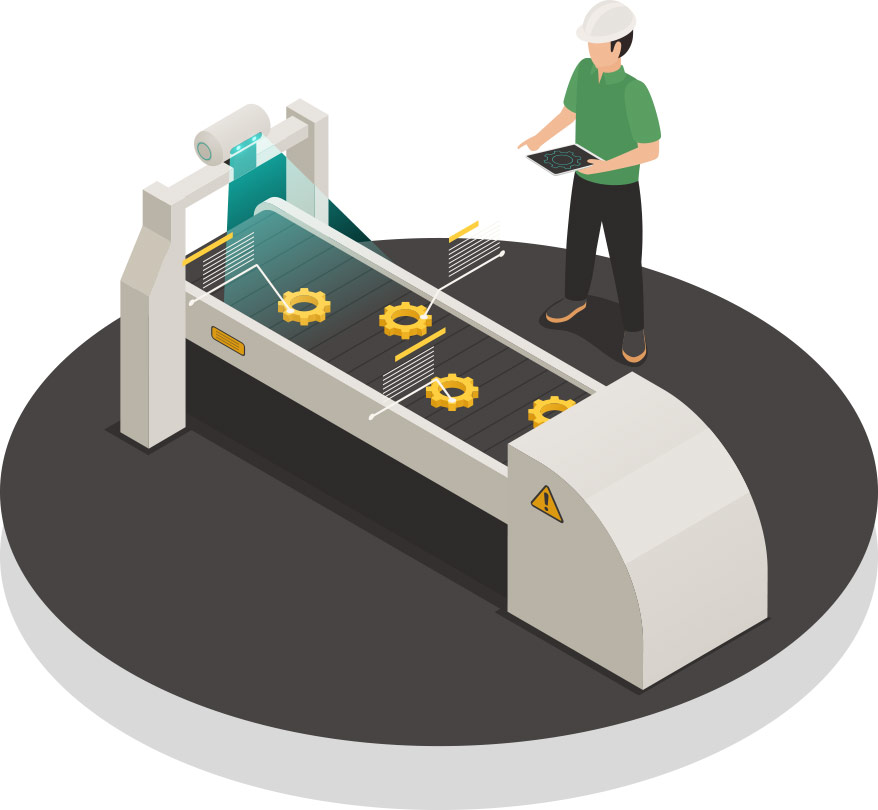
Computer Vision
We apply years of our knowledge in Computer Vision when address our clients needs by implementing Machine Learning approach and analytical algorithms.
An identification, classification, and segmentation of an object, near-duplicate search algorithm for a large image database, anomalies detection for a surveillance system projects of exceptional quality were created for our clients.
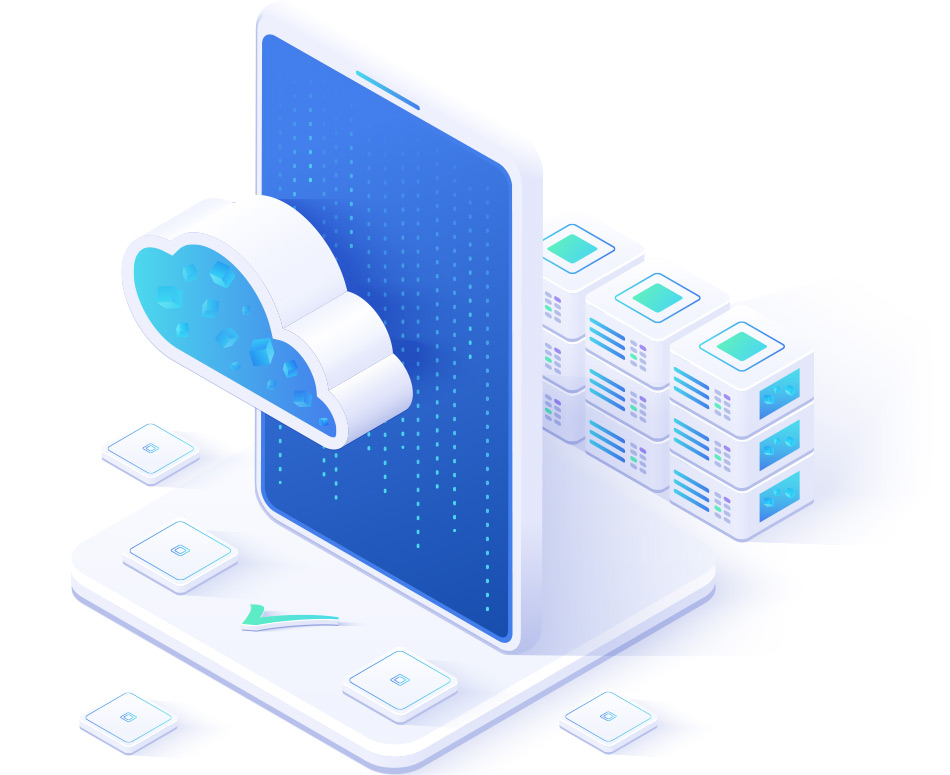
Cloud Solutions
We develop cloud based solutions.
Machine learning model needs infrastructure to be runned on. We help our clients design, build and operate complex solutions using Google Cloud to ensure security, scalability and reliability.
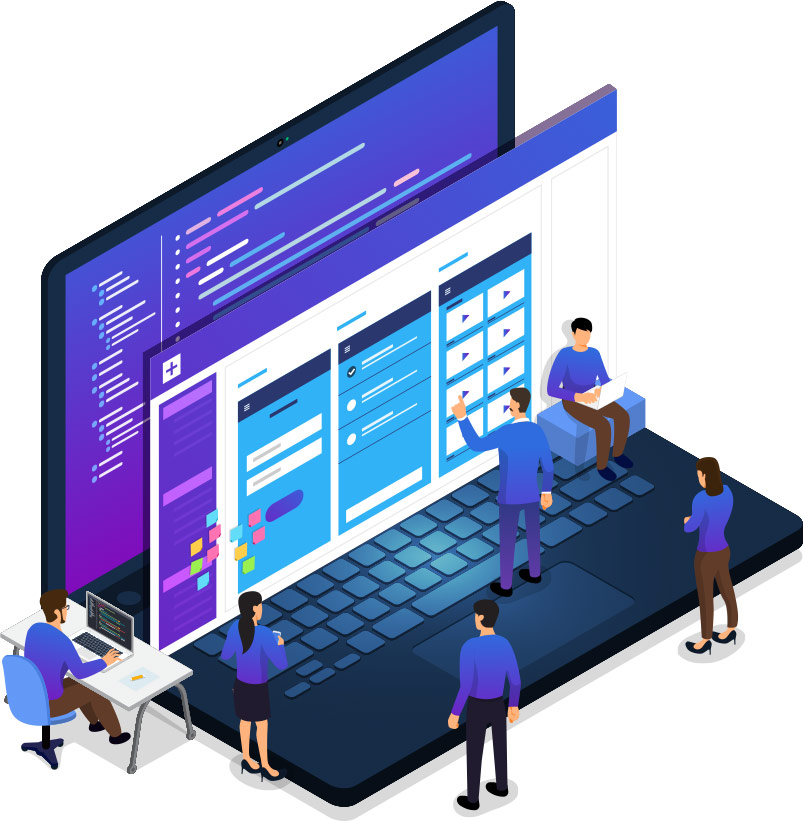
MVP
We develop key components of the complex computer vision systems for well-known companies.
The solutions for analysis of medical images, GUI components, and components implemented in e-commerce products sufficiently serve our customer sophisticated needs.
Backend
To ensure high compatibility with other languages and platforms we build our projects in high-performance language C and C++.
To support faster algorithms research and development, we implement Python as one of the most widely used programming languages for science and engineering.
Mobile
We develop a wide range of product for iOS and Android mobile systems based on Artificial Intelligence and Deep Learning principles.
Our modules for apps can be used for artistic effects enhancement, color correction, drawing, painting, and retouching.
Tech Support
Any advanced product that we create and technical solutions which we design for our clients come with a long-term technical support.
The spectrum of our services is broad. We do an adaptation of the technical solutions to fit an updated requirements of our clients as well.
GET IN TOUCH
By clicking "SEND", I consent to the processing of my personal data.
For more info see our privacy policy.
 |